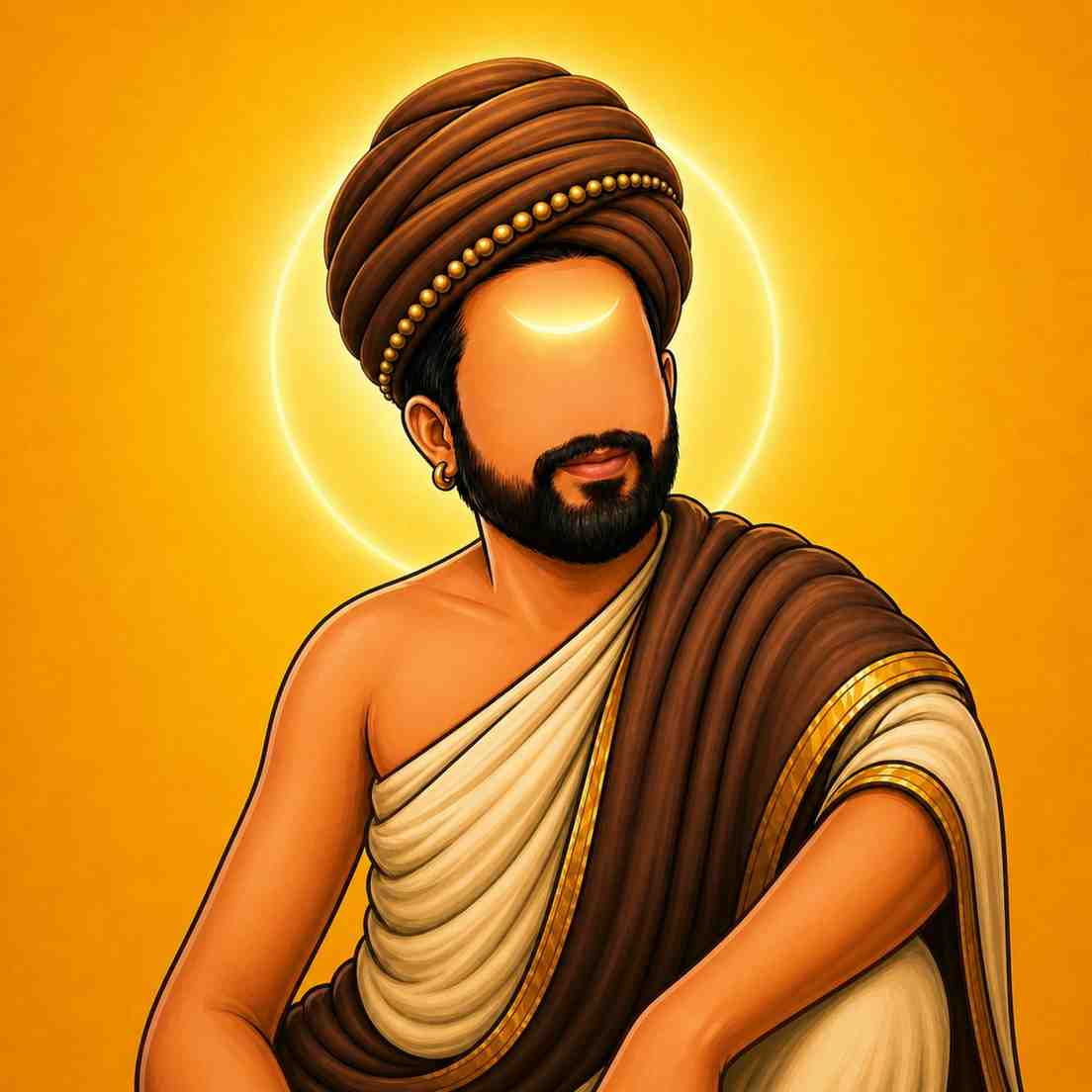
The Sun governs vitality. Visit a Vaitheeswaran or Dhanvantari shrine; offer prayers at sunrise. Continue medical treatment — prayer supports, never replaces it.
Many devotees pray to Dhandayuthapani for good health. Tradition holds that the milk, honey and panchamirtham poured over the navapashanam idol carry the Lord's grace, and devotees take the abhishekam panchamirtham and the night sandal paste home as prasadam. This is a matter of faith, not a substitute for medical care.
As the protective mother of Mysuru, Chamundi is approached for the health of the family. Devotees sponsor abhisheka in the early morning or evening, take Sankalpa seva with special darshan and prasada, and receive the temple's laddu prasadam. Many offer Dasoha, the free meal served to pilgrims three times a day, in the name of someone unwell or in thanksgiving for recovery. Vows of climbing the hill on foot are common.
Devotees believe the daily sesame-oil abhishekam of the idol, carved from stone said to hold medicinal properties, gives the oil healing power, and it is given as prasadam. Tradition likewise holds that the Thrippuka, the smoke that fills the sanctum after the last pooja each night, eases breathing. Families praying for recovery or long life sponsor abhishekams, archana or the great Udayasthamana pooja, and share Prasada Oottu, the temple feast.
Devotees pray to Vishwanath for recovery and long life, offer bel leaves and Ganga water on the linga, and sponsor Rudrabhishek for a sick family member. Shiva is approached here as the lord who conquers death, and prayers are made in the spirit of faith and surrender.
The Surya tradition at Konark begins with Samba's healing, and devotees still come for the sun rather than a sanctum. On Magha Saptami they bathe at Chandrabhaga beach, three kilometres east, and offer prayers to the first rays, a custom tradition links with vitality and recovery. Mothers in Odisha keep Samba Dashami for their children's health. Visitors who seek strength walk the chariot wheels at sunrise, when the temple faces the light it was built to receive. No priest performs poojas inside the monument.
Mahakal is worshipped as the Lord of Time who stands above death. Devotees believe that those who worship him here are freed from the fear of death and disease and placed under his protection, so families pray here for the recovery and long life of loved ones.
Baba is remembered as a healer who gave udi from the dhuni to the sick. Devotees take udi home for family members who are ill, sit through the aartis and vow to return after recovery; many bring the recovered person back to offer thanks.
Families praying for a sick relative or for long life sponsor Mahamrityunjay jap and Mahadugdh abhishek at the Jyotirlinga. Devotees believe that Shiva, who restored the Moon's light, is approached here as a healer and protector.
Narasimha is approached as the fierce protector who drives away fear and illness. Devotees pray here for their own recovery and for family members who are unwell, offering archana and abhishekam to Lakshmi Narasimha Swamy.
Devotees pray to Mallikarjuna Swamy for recovery and strength, often bathing first at Patala Ganga on the Krishna river, whose water is used to bathe the linga.
In the mukha mandapa stands the Kappa Stambham, a pillar consecrated with the Santana Venugopalaswamy Yantra. Devotees believe it has curative powers and grants unfulfilled wishes, and they pray there for recovery and good health.
Personal predictions for your own birth chart, pooja booking and prasad delivery are in the SantoBaba app.